Problem
Glove fit is notoriously difficult to get right. Unlike footwear, which benefits from decades of biomechanical research and standardized lasts, handwear design has historically relied on fit models and intuition. Hand shapes vary enormously — not just in overall size but in finger proportions, knuckle width, and palm geometry — and none of that variation was captured in any data available to us.
Approach
I identified the gap, made the case internally, and designed and executed a hand measurement study using internal participants and resources. Each participant was measured across length, circumference, and wrist dimensions, then scanned on a flatbed scanner allowing any individual finger length, knuckle width, or proportion to be extracted and analyzed later.
Result
The data revealed meaningful variation in hand proportions that existing industry sizing simply doesn't account for. Hands that share the same overall length differ significantly in finger proportions and thumb geometry. Based on the findings I proposed a more rational sizing architecture that would better serve the actual range of hand shapes in our customer base.
Problem
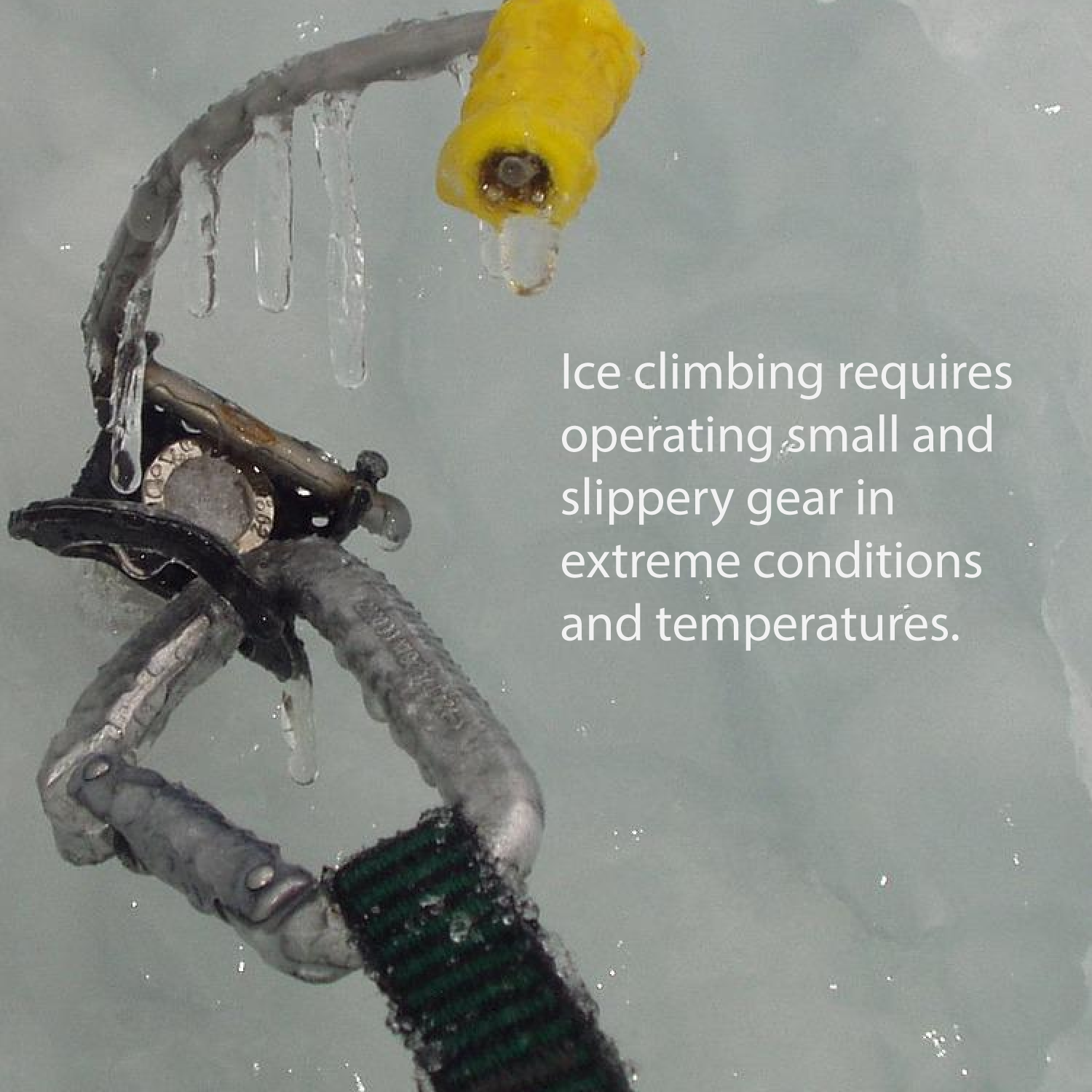
Ice climbing demands fine dexterity in the worst possible conditions — clipping carabiners, threading ropes, and operating small gear with frozen fingers in extreme cold.
Traditional glove construction places seams directly on the fingertips where dexterity and wear demands are highest. These seams interfere with tactile feedback and fine motor control, and become the first failure point on any well-used glove. Standard designs also force the hand into an unnatural extended position when gripping; restricting blood flow, accelerating fatigue, and lowering finger temperature.
Approach
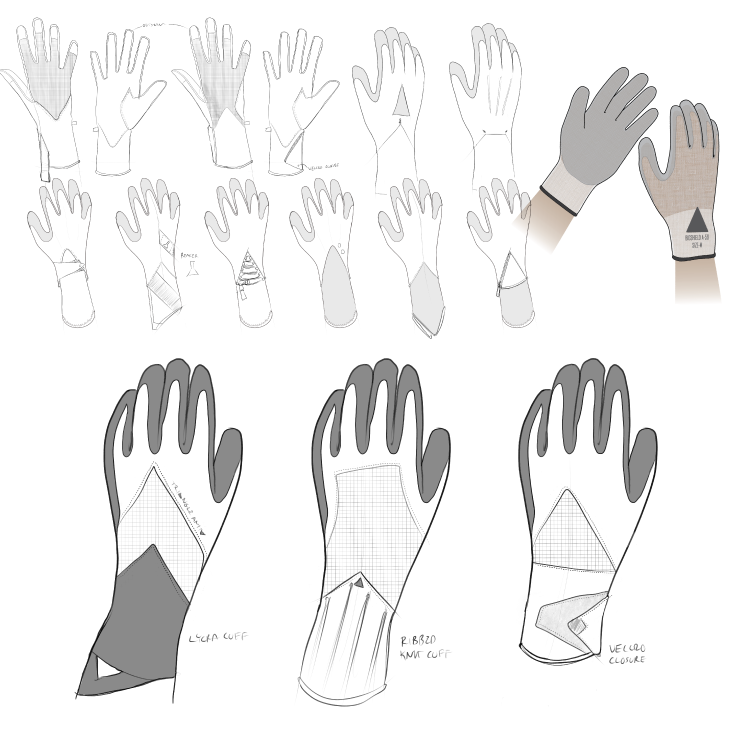
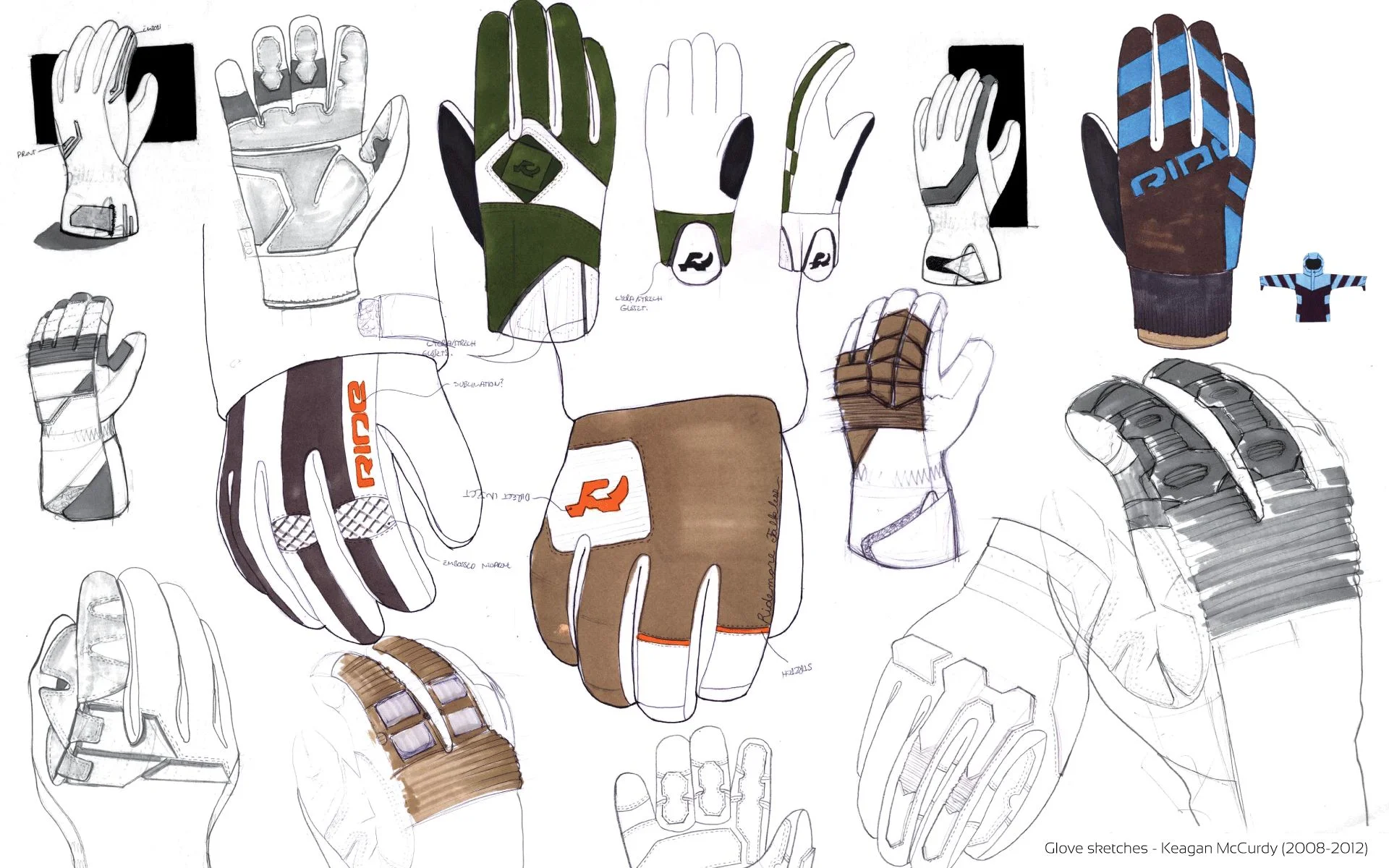
The core design challenge was relocating the fingertip seams without compromising constructability or introducing new problems at the factory level. I mapped the natural flex points and crease lines of the hand to develop a new palm pattern that moves seams off the fingertip entirely — repositioning them where the hand actually bends and wear is distributed more evenly. The pattern went through multiple prototype iterations, developed in close collaboration with the factory on manufacturability and validated by world-class ice climbers in real climbing conditions.
The revised construction significantly reduces material bulk and seam interference at the fingertip, restoring the kind of tactile feedback that makes the difference between clipping a carabiner cleanly and fumbling it in the cold. A plasma nanocoating on the leather palm added ultra-durable water resistance without sacrificing feel.
Result
The Hydra Lite was recognized with an ISPO Gold Award — the outdoor industry's most prestigious product design honor. It's a project that stuck with me because the solution came entirely from taking the fingertip seam problem seriously rather than accepting it as a construction constraint.
Problem
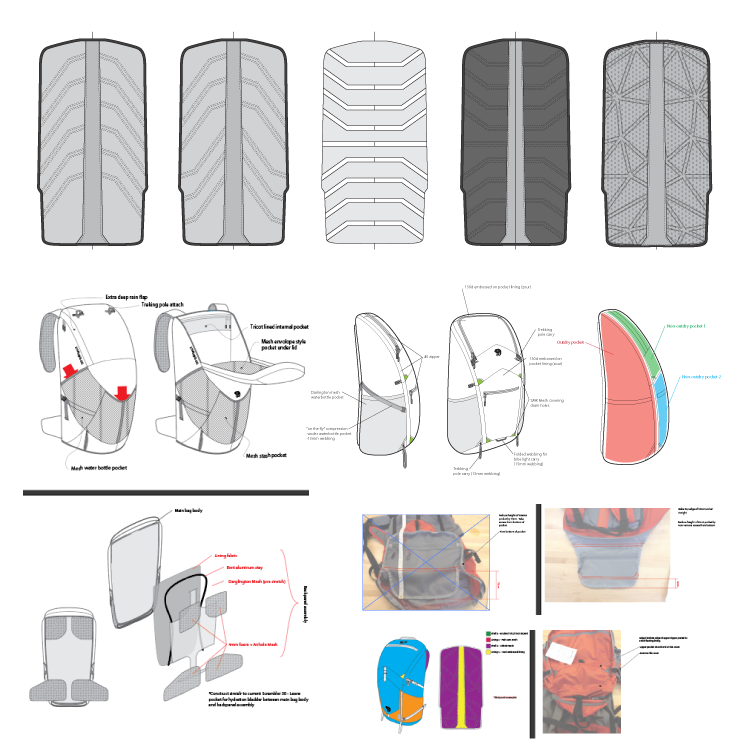
OutDry waterproofing laminates the shell material from the inside out — fully sealing the pack body but eliminating the possibility of any internal pockets or organizational features. For a technical daypack that needs to be genuinely useful on the mountain, that's a significant design constraint. The challenge wasn't making a waterproof pack, it was designing a fully functional, well-organized pack around a construction method that removes your most common organizational tools.
Adding zipper access to an OutDry pack presented its own challenges the Rainshadow 26 was the first OutDry pack to achieve it, requiring close collaboration with the factory to understand exactly how the lamination process was done and where zipper integration was possible without compromising waterproof integrity.
Approach
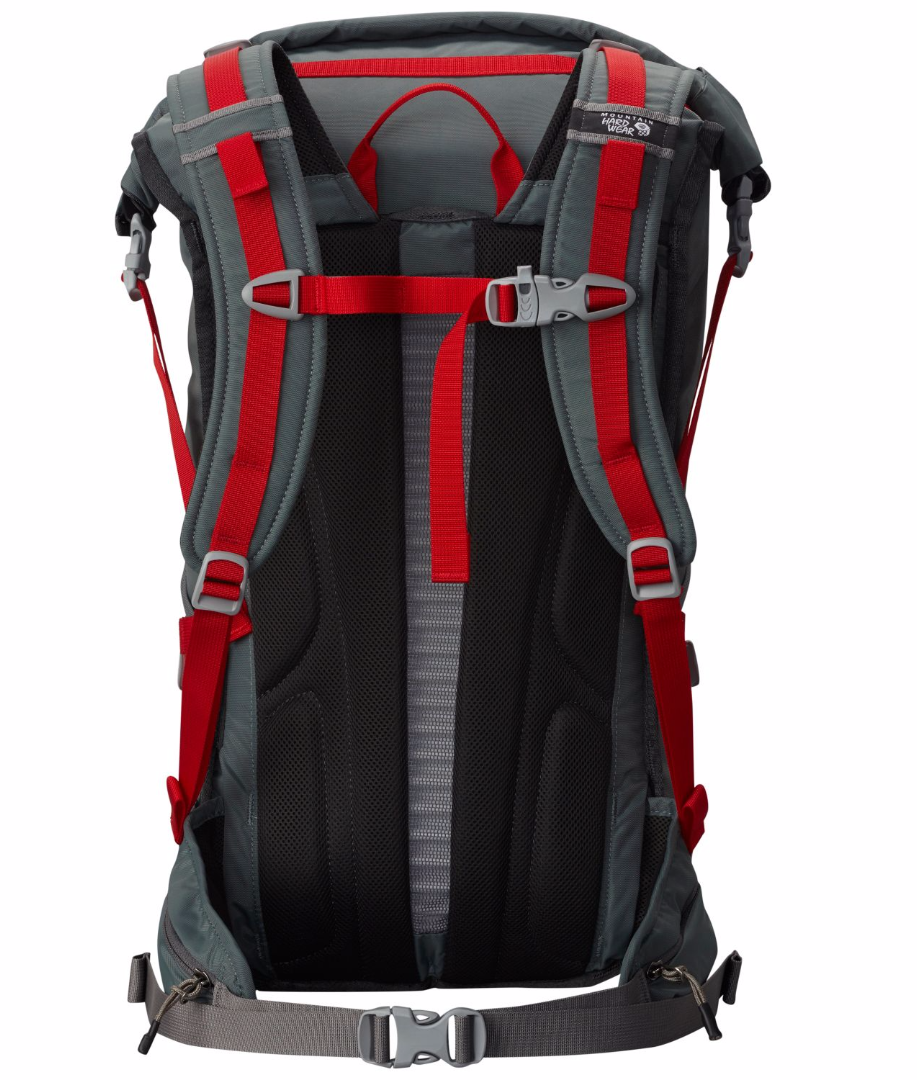
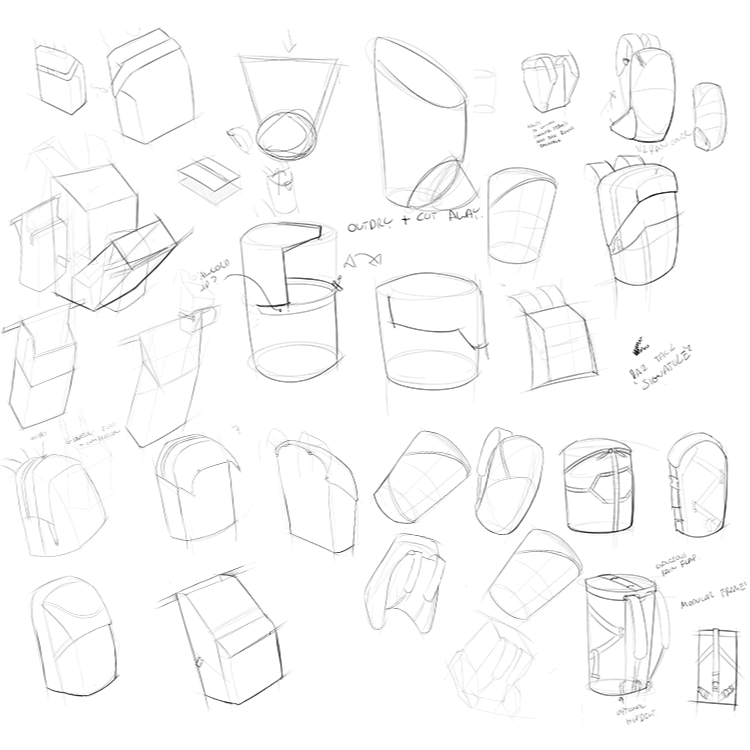
Designing around the internal lamination constraint started with understanding it firsthand — I visited the factory to observe the OutDry process directly, which informed what constructions were achievable and where the material system had limits. With internal organization off the table, external pocket placement became the primary design driver. I worked through extensive ideation to find configurations that balanced organization, ergonomics, and form — exploring pocket size, placement, and access in relation to the carrying system and the pack's overall silhouette. Prototypes were tested in real conditions to validate and refine.
Result
The Rainshadow 26 reached retail as the first OutDry pack with zipper access — a technical milestone for the construction method. The external organization system, born entirely from the constraints of the lamination process, delivers a pack that feels deliberate and uncompromised despite those limitations.
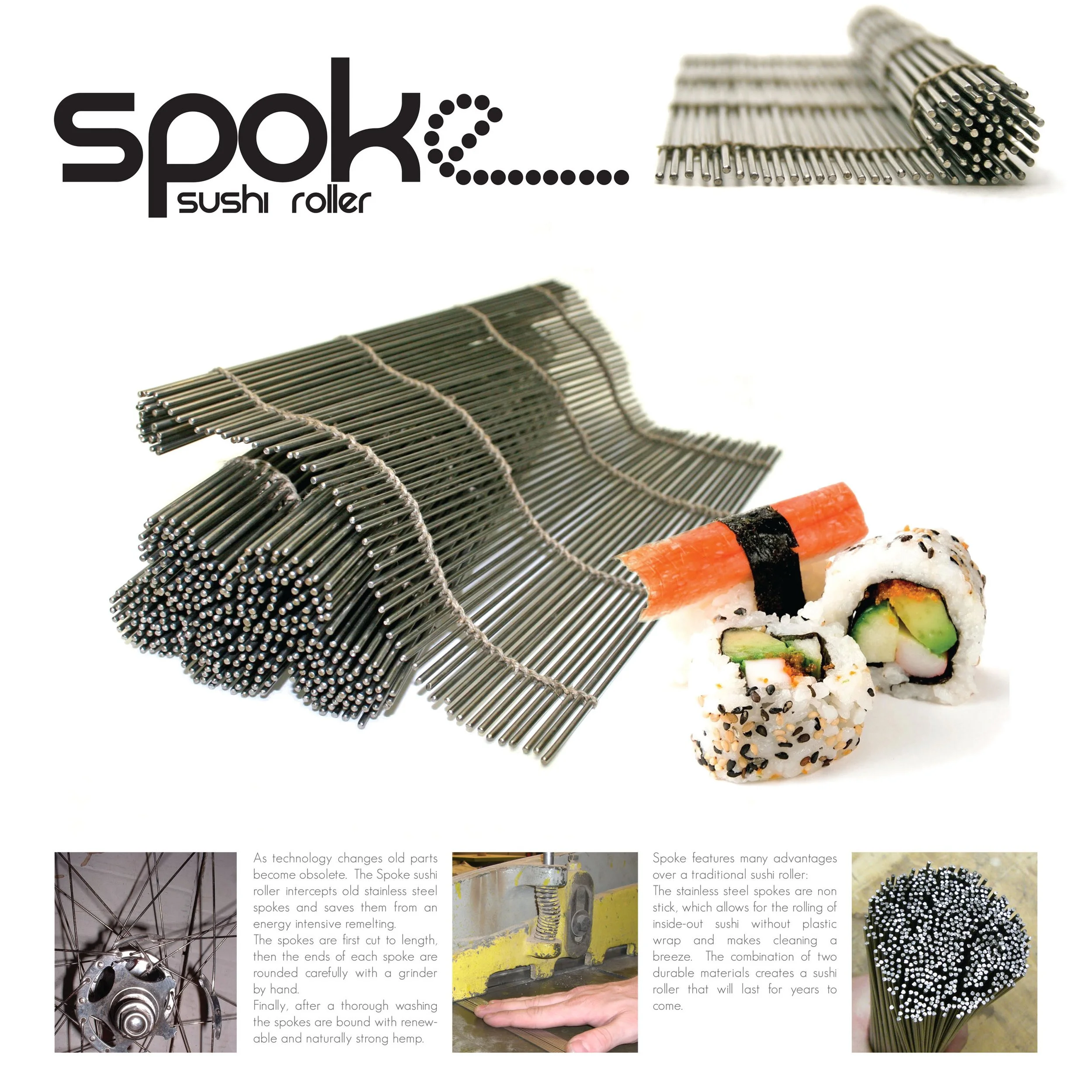
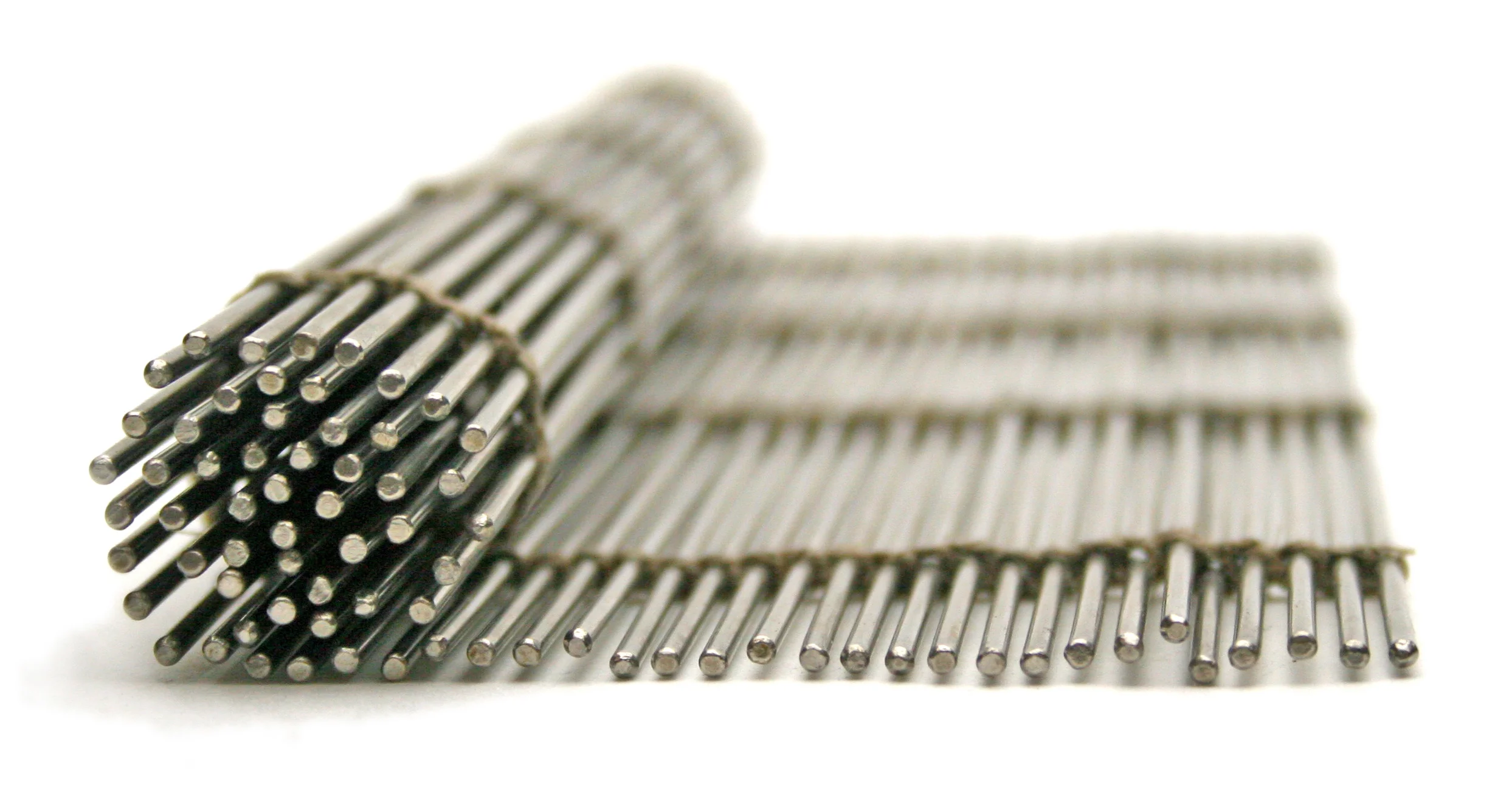
Sushi roller made from upcycled bike spokes.
Limited numbed sold at Seattle Art Museum.
Premium mountain mitt featuring a unique trigger finger design for the perfect balance between warmth and dexterity.
A rugged and waterproof roll-top backpack distilled to the essentials.
Role - Designer
Senior Project, WWU